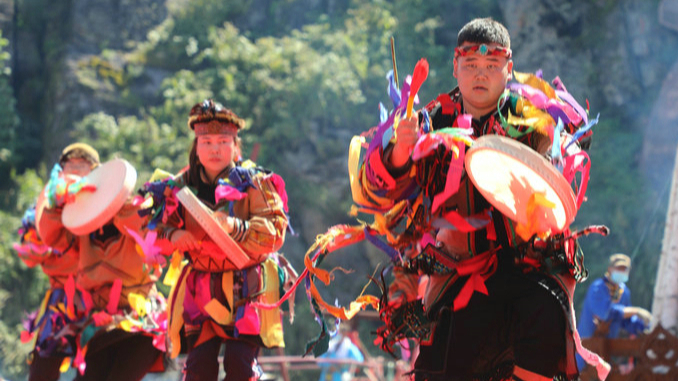
Oroqen Ethnic Group
Introduction
The Oroqen ethnic group is one of the smallest ethnic groups in China, with a population of just over 9,000 according to the 2020 national census. The Oroqen people primarily reside in the Heilongjiang province and Inner Mongolia autonomous region. Known for their deep connection with nature and traditional lifestyles, the Oroqen have historically been hunters, living primarily in forested areas. Despite the changes brought about by modernization, the Oroqen have maintained a distinct cultural identity that is celebrated through their traditional attire, festivals, and customs.
History
Origins
The Oroqen ethnic group is indigenous to the northeastern part of China, particularly the Heilongjiang province and the Inner Mongolia autonomous region. The name "Oroqen" is believed to mean "people living on mountains" or "people of the deer," reflecting their historical lifestyle as hunters and their close relationship with nature. Traditionally, the Oroqen were a nomadic people, who depended on hunting and gathering for sustenance. Their livelihood revolved around the forest ecosystem, and they have a profound understanding of their natural environment.
Culture
Language
The Oroqen language belongs to the Tungusic language family. It is closely related to the languages spoken by other ethnic groups in the region, such as the Ewenki and Hezhe. However, the use of the Oroqen language has declined over the years, with Mandarin becoming more prevalent due to educational and social integration policies. Efforts are being made to preserve the language through cultural preservation programs and education initiatives aimed at revitalizing the language among the younger generation.
Traditional Practices
The lifestyle of the Oroqen has traditionally been centered around hunting and gathering, with activities such as fishing, trapping, and foraging for wild plants playing a crucial role in their sustenance. The Oroqen are known for their deep respect for nature, and their culture is rich with practices and beliefs that reflect this connection. Hunting gear, such as bows, arrows, and traps, are often handcrafted, showcasing the Oroqen's skills and craftsmanship. Additionally, their diet primarily consists of game meat, fish, and wild berries, reflecting their reliance on the forest for food.
Festivals
Festivals hold significant cultural importance for the Oroqen community, providing opportunities to celebrate their heritage and reinforce social bonds. Traditional festivals often involve music, dance, and elaborate ceremonies that pay homage to nature and the spirits believed to inhabit it. Songs and dances are performed to express gratitude for bountiful hunts and harmonious living with nature. These festivals also serve as occasions for storytelling, where elders pass down legends and tales to the younger generation, ensuring the continuity of their cultural legacy.
Economy
Traditional Livelihoods
Historically, the economy of the Oroqen people was predominantly based on hunting and gathering. The dense forests and rivers in their regions provided ample resources for their subsistence. Hunting was not only a means of obtaining food but also a central aspect of Oroqen culture, with rituals and customs developed around it. The Oroqen's deep knowledge of the forest allowed them to sustainably manage their resources, ensuring a balanced relationship with the environment. Craftsmanship also played a role in their traditional economy, with items like clothing, tools, and ornaments being crafted from natural materials.
Modern Economic Activities
In recent decades, the economic landscape for the Oroqen has evolved, with many members transitioning to agriculture and other forms of employment. Economic development initiatives have been introduced to integrate the Oroqen into the broader Chinese economy, providing opportunities for education and job creation in various sectors. Tourism has emerged as a significant economic activity, with the Oroqen culture and traditions being showcased to attract visitors to the region. This has led to economic opportunities in hospitality and cultural exhibitions, contributing to the community's economic growth while promoting cultural preservation.
Cultural Preservation Efforts
Cultural preservation is a significant focus for the Oroqen community, as they strive to maintain their unique identity amidst rapid modernization. Initiatives to preserve their language, traditional practices, and festivals are actively pursued by community leaders and cultural organizations. Educational programs aimed at teaching the Oroqen language to younger generations, as well as the documentation of oral traditions and folklore, are crucial components of these efforts. Additionally, cultural exhibitions and festivals are organized to showcase Oroqen heritage to broader audiences, fostering appreciation and understanding of their rich cultural legacy. Collaborations with designers and cultural advocates have led to increased visibility of Oroqen culture in fashion and media, further promoting cultural preservation and pride within the community.








